
DUSK GABON - The Maboumine Project
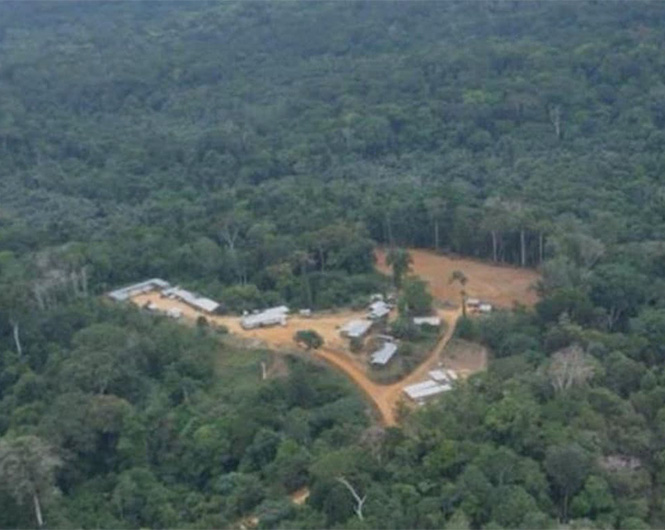
In the Republic of Gabon, DUSK aims to develop the polymetallic Mabounié deposit, located in the Moyen-Ogooué province, approximately 50 km west of Lambaréné.
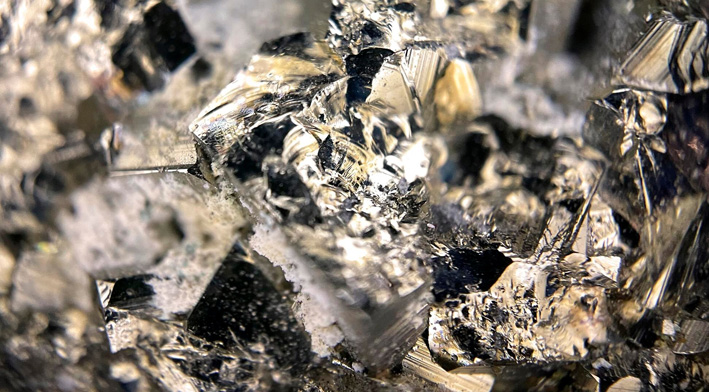
This world-class deposit contains significant quantities of strategic metals, including niobium — the second largest identified deposit globally — and rare earth elements, both of which are experiencing strong global demand growth.
The Mabounié deposit holds substantial certified resources of niobium (2.3 million tonnes of Nb₂O₅ at 1.2%) and rare earth oxides (2 million tonnes of REO at 1%).
In addition, the deposit contains significant quantities of phosphate, uranium, tantalum, scandium, titanium, and iron — all of which represent potential by-products that could enhance the overall value of the project.
The site’s remote location demands the development of substantial infrastructure, particularly in terms of logistics.
In late 2024, New Energy Metals signed an agreement with the Gabonese State, through its subsidiary Dusk Gabon, to fast track the development of the project. In early 2025, the company established a roadmap focused on enabling a responsible, accelerated, and efficient development of the deposit, leveraging new partnerships with experienced players in niobium and rare earth production.
The first step in relaunching the project involves updating and optimizing the previous pre-feasibility studies, establishing a new base case, and defining — together with the Government of Gabon — the conditions required to ensure rapid, viable, and effective advancement of the project.
A Strategic Project for Gabon
With initial estimations of projected annual production capacity of 14,500 tonnes of niobium and 14,300 tonnes of rare earth elements, Gabon is poised to become, by 2030:
- The world’s second-largest producer of niobium (after Brazil)
- And the first or second-largest producer of rare earths outside of China.
Classified as strategic and critical by both the European Union and the United States, the production of niobium and rare earths would provide Gabon with a significant geopolitical and economic advantage on the international stage.
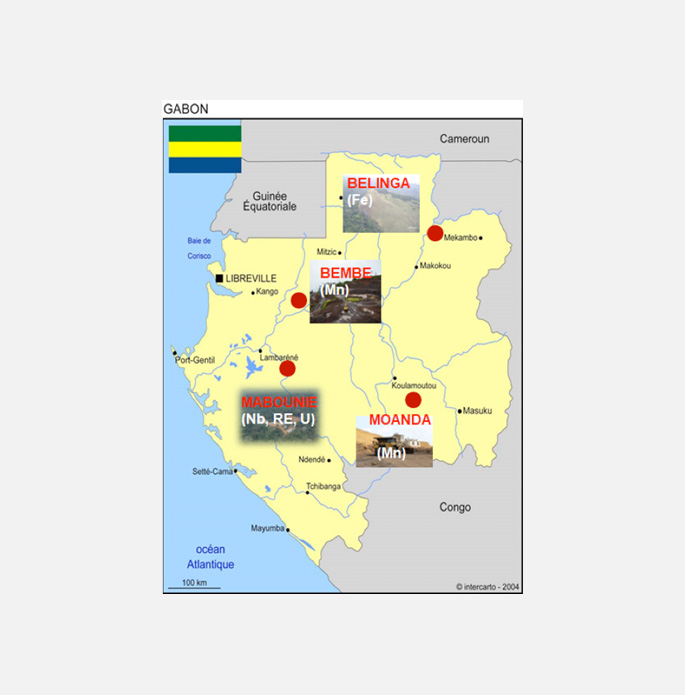
Although mining activity in Gabon has existed for decades — notably in manganese and gold — a large portion of the country’s substantial mineral potential remains untapped (e.g., Belinga). In this context, the Maboumine Project stands out as the most promising mining development in Gabon today.

A Major Contribution to the Moyen-Ogooué Region
With the potential to create approximately 2,000 direct jobs and several thousand indirect jobs, the project is expected to become a major driver of socio-economic development for the Moyen-Ogooué province and the city of Lambaréné. It will support the growth of a vibrant local economic fabric and generate lasting benefits for surrounding communities.
About Gabon
Located in the heart of Africa with exposure to the Atlantic coast, Gabon offers an ideal gateway for entry to a regional market of 250 million consumers.
A developing country with strong economics and good governance, Gabon builds lasting relationships of trust with its partners.
In 2011, the country adopted the PSGE plan (Strategic Plan for Emerging Gabon) to transform the economy of the country with a view to turning Gabon into an emerging nation by 2025.
Although mining activities have been present in Gabon for decades such as manganese a large portion of Gabon’s important mining potential remains to be realized in the critical metals, gold and iron ore sectors.
In this context, Maboumine is currently one of Gabon’s most promising projects.
The Maboumine Ore Deposit is High Grade
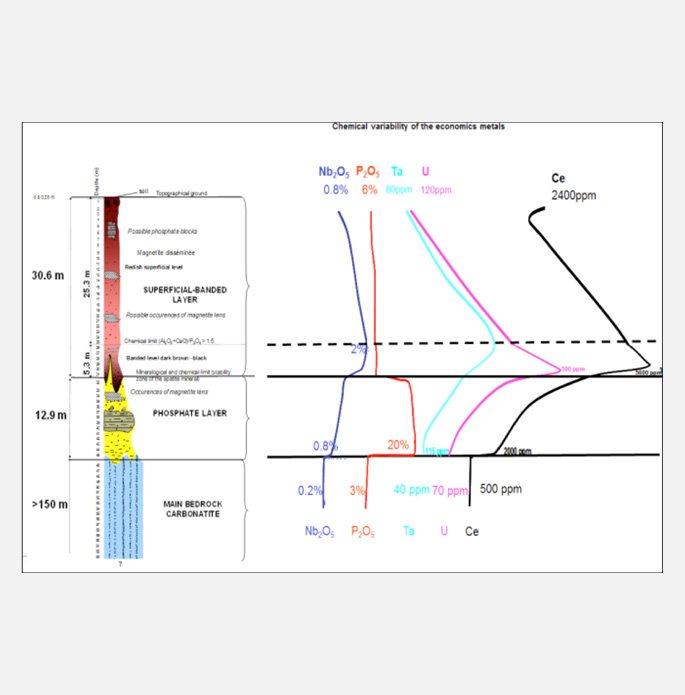
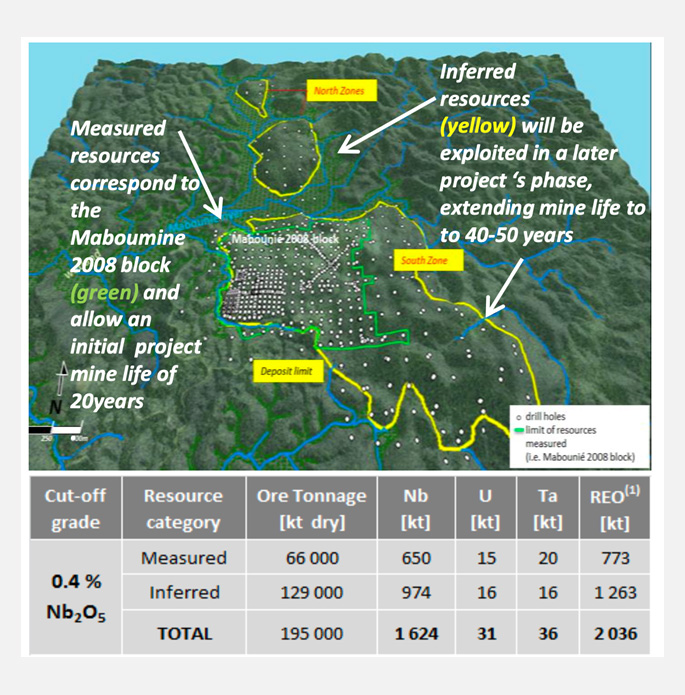
Mabounié ore deposit is characterized by significant certified resources in niobium (2.3 Mt Nb2O5 at 1.2%) and rare earths (2 Mt REO at 1%) (2).
Many exploration surveys have been carried out over the last 10 years with more than 1,000 holes drilled and 40 km of ore extracted through the various drilling campaigns.
Extensive geotechnical and hydrogeological surveys have been performed inside and outside the deposit to validate project site selection.
The ore’s mineralogy is complex but well understood: niobium is mainly contained in the niobate group (pyrochlore, ferrocolumbite...), while rare earths are carried by pyrochlore, apatite and crandalite.
Mineral resources and their classification have been independently certified by SGS Geostat from Canada, following a rigorous and conservative process using multiple certification criteria